

Discuss the post-processing process of 304 stainless steel precision castings
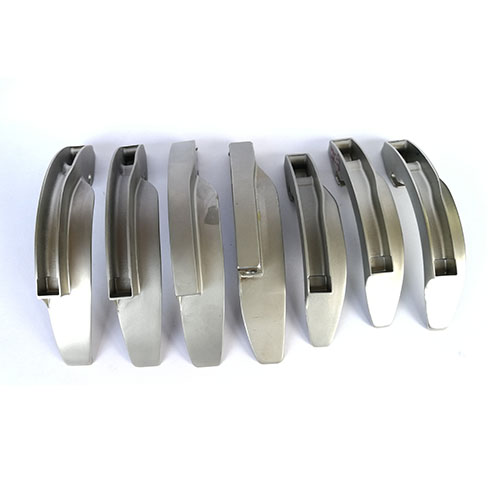
In modern industry, 304 stainless steel is widely used in the manufacture of various precision castings due to its excellent corrosion resistance and mechanical properties. However, the post-processing process of castings is crucial to improving product quality and performance. This article will discuss the post-processing process of 304 stainless steel precision castings to help people in the industry better understand this process.
The importance of post-processing
The post-treatment process can not only improve the surface quality of the casting, but also improve the mechanical properties and corrosion resistance of the casting. For 304 stainless steel castings, the post-treatment process can eliminate defects in the casting process and extend the service life and reliability of the product.
Commonly used post-processing methods
heat treatment
Heat treatment is one of the important steps in the post-processing of 304 stainless steel castings. Through appropriate heating and cooling, the stress inside the casting can be effectively eliminated and its mechanical properties improved. Common heat treatment processes include solution treatment and timely treatment. Solution treatment can make the alloy elements in the material evenly distributed, thereby improving corrosion resistance and strength.
surface treatment
Surface treatment is an important process to improve the appearance and corrosion resistance of 304 stainless steel castings. Commonly used surface treatment methods include polishing, sandblasting and electrolytic polishing. Polishing can remove burrs and oxide layers on the surface, making the casting as smooth as new; sandblasting can remove surface dirt and improve adhesion; electrolytic polishing can improve the gloss of the surface without damaging the base material.
Deburring
During the casting process, the generation of burrs is inevitable. Removing burrs can not only improve the aesthetics of the casting, but also avoid damage caused during subsequent processing and use. Commonly used methods for removing burrs include mechanical deburring, chemical deburring, manual deburring, etc.
Clean
During the production and transportation of castings, impurities such as oil and dust often appear. Therefore, cleaning is an indispensable part of the post-processing process. In order to ensure that the surface of castings is clean and free of impurities and provides a good foundation for subsequent processing, water washing, chemical cleaning or ultrasonic cleaning is usually used.
Optimize the post-processing process.
With the advancement of technology, the post-processing process of 304 stainless steel castings is also constantly optimized. The use of advanced automation equipment can improve post-processing efficiency and reduce labor costs. At the same time, the development of environmentally friendly cleaning and surface treatment materials can not only meet the requirements of sustainable development, but also enhance the social responsibility of enterprises.
Summarize
The post-processing process of 304 stainless steel precision castings is a key link to ensure product quality. The performance and appearance of castings can be significantly improved through reasonable selection and optimization of post-processing methods. As market demands change and technology continues to develop, post-processing technology will continue to evolve to meet higher industry standards and customer expectations. In this process, companies need to maintain keen market insight, explore innovation, and remain invincible in the competition.