

Analysis of surface treatment technology of 304 stainless steel precision castings
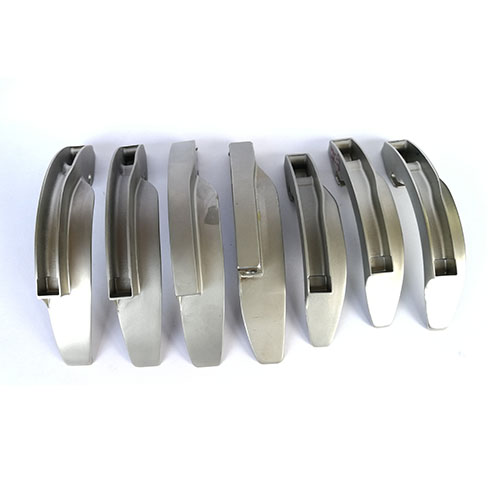
In modern manufacturing, 304 stainless steel is widely used in automobiles, medical, chemical, food processing and other fields due to its excellent corrosion resistance, strength and good formability. In order to improve the performance and appearance quality of 304 stainless steel precision castings, surface treatment technology has become an indispensable part. This article will discuss the commonly used surface treatment methods of 304 stainless steel precision castings and their role in practical applications.
Surface treatment requirements for 304 stainless steel precision castings
The surface quality of 304 stainless steel castings directly affects its performance and appearance. Through surface treatment, the corrosion resistance, wear resistance and oxidation resistance of the castings can be improved, and its surface finish can be effectively improved. In addition, surface treatment can also increase the adhesion of the material, making it easier to paint or subsequently process. According to the characteristics of 304 stainless steel, different surface treatment methods have their own advantages and can meet the functional and aesthetic requirements of the casting surface in different fields.
Common 304 stainless steel surface treatment technologies
Polishing
Polishing treatment is one of the common methods to improve the surface of 304 stainless steel castings. Through mechanical, chemical or electrochemical means, uneven parts of the surface are removed to achieve a smooth and bright effect. The polished surface not only improves the aesthetics of the casting, but also effectively improves its corrosion resistance. Especially in the fields of medical devices and food processing equipment, the cleanliness and hygienic capabilities of the polished surface are more in line with industry standards.
Sandblasting
Sandblasting treatment is to remove oxide scale, burrs and other impurities by impacting the surface of castings with high-speed sandblasting particles. This method can not only improve the surface quality, but also increase the surface roughness and improve the adhesion of subsequent coatings. Sandblasting treatment is widely used on the surface of castings with strong decorative or anti-skid properties, and is common in the fields of household products and architectural decoration.
Pickling passivation
Pickling passivation is a method of removing rust, oxides and other dirt on the surface of 304 stainless steel through an acid solution to form a dense passivation film on the surface. This treatment process can effectively improve the corrosion resistance of castings and extend their service life, and is especially suitable for chemical equipment and marine equipment. The surface of passivated castings is more resistant to oxidation and can remain bright for a long time.
Electroplating treatment
Electroplating treatment uses electrochemical reactions to deposit metal coatings on the surface of 304 stainless steel castings to form a protective film with special properties. Electroplating can not only enhance the corrosion resistance and wear resistance of castings, but also improve the appearance. Common electroplating types include nickel plating, chromium plating, etc., which can effectively protect castings from environmental influences and extend their service life.
laser marking
Laser marking technology is often used to accurately mark and decorate the surface of 304 stainless steel castings. The laser beam can engrave clear text, patterns or logos on the metal surface, with high precision and low error. Laser marking can not only improve the personalization of products, but also has anti-counterfeiting functions and is widely used in medical, automotive, electronic products and other industries.
Selection and application of surface treatment technology
When choosing surface treatment technology for 304 stainless steel castings, companies need to comprehensively consider the product's use environment, functional requirements and aesthetic requirements. For example, if the casting needs to be used in high temperature or corrosive environments, pickling, passivation or electroplating may be more suitable; polishing is more suitable for castings that require high surface cleanliness and decoration.
In addition, with the continuous development of technology, more and more innovative surface treatment technologies are emerging, such as plasma treatment, laser coating, etc. The emergence of these new technologies makes the surface treatment of 304 stainless steel castings more diverse and efficient, further improving the performance and market competitiveness of castings.
Conclusion
The surface treatment technology of 304 stainless steel precision castings can not only improve the appearance quality of the castings, but also improve its performance to meet the special needs of products in different fields. With the continuous advancement of manufacturing technology, future surface treatment technology will be more intelligent and sophisticated, promoting the application and development of 304 stainless steel castings in various industries. Therefore, companies should choose appropriate surface treatment processes based on actual needs to ensure the performance and service life of castings.