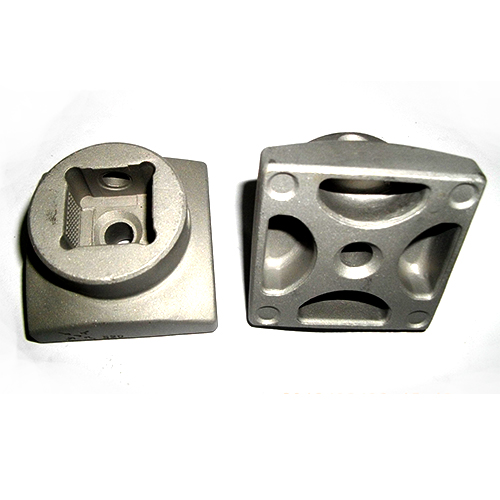

Analysis on Vacuum Smelting and Investment Forming Process of Alloy Steel Components
As a special metal smelting method, the core of vacuum smelting is to create a low pressure environment. Smelting and pouring under this condition can significantly reduce the contact between molten steel and nitrogen and oxygen in the air, thereby effectively controlling the generation of gas inclusions. For alloy steel, many activities Splashing elements such as aluminum and titanium are easily oxidized in conventional atmospheric smelting to form inclusions, which directly affect the fatigue strength and toughness indicators of the material. The protection of the vacuum environment not only improves the purity of the molten steel, but also promotes the volatilization and removal of harmful elements, improving the intrinsic quality of the material.
The investment molding technology matched with vacuum smelting creates conditions for near-net forming of complex components. This process creates a disappearing wax prototype, covers it with multiple layers of refractory paint to form a mold shell, and then dewaxes and bakes to obtain an overall cavity. This one-time molding feature is especially suitable for the production of alloy steel components with complex inner cavities and curved surface structures, avoiding the problems of material loss and stress concentration caused by traditional mechanical processing.
When vacuum smelting and investment technology are applied together, unique process advantages are formed. The vacuum environment ensures accurate control of alloy composition and low gas content, while investment casting achieves complete replication of complex structures. The alloy steel components produced by this combined process have shown significant value in demanding fields such as aerospace and energy equipment. The products have uniform structure, low defect rate, and good surface finish, which facilitates subsequent processing procedures.
It is worth noting that the successful application of these two processes requires systematic quality control. Vacuum smelting requires reasonable configuration of pressure parameters, melting temperature and holding time; the investment process requires attention to the matching relationship between wax performance, shell strength and pouring temperature. Negligence in any link may affect the yield and performance of the component.
With the continuous improvement of material performance requirements in the manufacturing industry, the integrated development of vacuum smelting and investment technology will continue to promote the advancement of alloy steel component manufacturing. Through the continuous improvement of process parameters and the continuous improvement of process control, this technical route will provide more reliable alloy steel component solutions for various industrial fields.